Other Topical Medications
28
AT-A-GLANCE
Topical medications discussed in this chapter include:
■ Analgesics
■ Antiinflammatory agents
■ Antimicrobial and antiparasitic agents
■ Antiperspirants, antipruritics, and astringents
■ Bleaching and keratolytic agents
■ Topical psoriasis and wart therapies
■ Compounding medications
This chapter reviews topical therapies that are used to treat dermatologic diseases but that are not discussed elsewhere in the text. When applied to large areas of skin, particularly in the presence of skin disease, or to infants and children, all topical medications have the potential to cause systemic side effects.
ANALGESICS
CAPSAICIN
CAPSAICIN
Capsaicin is the active ingredient responsible for the “hotness” in chili peppers. Initial topical application results in itching, pricking, and burning as a result of activation of the transient receptor potential vanilloid-1.1 Repeated application depletes substance P from cutaneous nerve endings and leads to desensitization of epidermal nerve fibers, thereby producing hypoalgesia. Topical capsaicin has been used to treat postherpetic neuralgia, diabetic neuropathy, reflex sympathetic dystrophy, Raynaud phenomenon, osteoarthritis, plantar warts, and diabetic neuralgia.2 A recent metaanalysis of 6 randomized controlled trials found high efficacy of topical capsaicin in the treatment of postherpetic neuralgia.3 In addition, capsaicin is also an effective antipruritic agent for localized areas of pruritus of neuropathic origin, such as in brachioradial pruritus and notalgia paresthetica.4
The chief side effect of capsaicin is irritation and an intense burning sensation. Thus, capsaicin should not be applied to a large area of the body and may not be tolerated by children.
TOPICAL ANESTHETICS
TOPICAL ANESTHETICS
Numerous topical anesthetic formulations are available. Eutectic mixture of local anesthetics (EMLA) cream and topical lidocaine are two of the most frequently
employed topical anesthetics and are discussed in further detail below.
EUTECTIC MIXTURE OF LOCAL ANESTHETICS CREAM
EMLA cream contains the sodium channel-blocking amide anesthetics lidocaine 2.5% and prilocaine 2.5%. Application under occlusion to intact skin or genital mucous membranes for at least 1 hour before performance of a painful procedure, including debridement of venous leg ulcers,5 can provide local anesthesia that may persist for up to 2 hours. In addition, EMLA is effective in cases of postburn pruritus6 and notalgia paresthetica. The cream may cause transient local blanching followed by transient local erythema. Like all products containing lidocaine, it should not be used in patients with hypersensitivity to amide anesthetics. Side effects to EMLA are usually limited to mild skin reactions. Rare severe complications include CNS toxicity, cardiotoxicity, and methemoglobinemia.7 The prilocaine component of EMLA has been linked to cases of methemoglobinemia in patients for whom applications exceeded the recommended dose, application area, or application time.8 Those particularly susceptible to methemoglobinemia include patients who are very young, those with glucose-6-phosphate dehydrogenase deficiency, and those taking oxidizing drugs such as sulfonamides and antimalarials. Caution regarding dosing should also be used in patients susceptible to systemic effects of lidocaine or prilocaine, including acutely ill, debilitated, and elderly patients. In addition, factors that increase risk of systemic toxicity include application of excessive amounts of EMLA, longer application time, and application to inflamed skin.7 Finally, as EMLA is ototoxic, it should not be used if there is a concern that it could penetrate or migrate beyond the tympanic membrane to the middle ear. EMLA is a pregnancy category B drug.
LIDOCAINE
Various topical anesthetic products contain only lidocaine, typically at concentrations of 4% or 5%, which may be applied with or without occlusion. Lidocaine 5% medicated plaster is commonly used to treat localized neuropathic pain, in particular postherpetic neuralgia and diabetic polyneuropathy.9
Lidocaine can result in local skin irritation, such as erythema, edema, or bruising. Systemic toxicity from topical lidocaine prepared in a 30% concentration has been reported. Systemic effects may include CNS and cardiac effects, including seizure, coma, arrhythmia, apnea, and death. Lidocaine is a pregnancy category B drug.
ANTIINFLAMMATORY AGENTS
COAL TAR
COAL TAR
Coal tar has been used in the treatment of inflammatory dermatoses, including psoriasis and atopic dermatitis. In 1925, Goeckerman pioneered the concomitant use of coal tar and ultraviolet B therapy for psoriasis. Coal tar inhibits DNA synthesis and mitosis in epidermal cells, an effect potentiated by ultraviolet A exposure.10
Coal tar also has antiinfective, antipruritic, photosensitizing, and vasoconstrictive effects. Coal tar works by activating the aryl hydrocarbon receptor, which results in induction of epidermal differentiation. Coal tar also counteracts T-helper type-2 cytokine-mediated downregulation of skin barrier proteins.11
Coal tar has historically been messy to use, has an unpleasant odor, and can stain clothing, making its use challenging for some. Newer formulations may be better tolerated. Systemic adverse effects are uncommon, whereas local adverse effects can include tar folliculitis, acneiform eruptions, irritant dermatitis, burning, stinging, allergic contact dermatitis, atrophy, telangiectases, pigmentation, exfoliative dermatitis, and keratoacanthomas.12 Although animal experiments have shown coal tar to induce skin cancers, a large cohort study among patients with psoriasis and eczema revealed that coal tar is not associated with an increased risk of skin cancer.13
WOOD TAR
WOOD TAR
Wood tar (or pine tar) is produced by distillation of wood and roots of pine under controlled conditions, and can be added to arachis oil (peanut oil) or other bases. Wood tar is thought to work through reducing DNA synthesis and mitotic activity and has been found to have antibacterial, antiinflammatory, antifungal, and antipruritic activity. Wood tar can be used for atopic dermatitis, psoriasis (especially of the scalp), and seborrheic dermatitis, among other inflammatory skin conditions. Although most commonly derived from juniper (oil of cade), wood tar also may be derived from beech, birch, and pine. Wood tar may result in contact sensitivity.
SHALE OIL
SHALE OIL
Shale oil (also referred to as ammonium bituminosulfonate, ichthyol, ichthammol, or black salve) is derived from oil shale, a sulfur-rich sedimentary rock. Further processing of extracted shale oil yields light-colored and dark-colored components. Shale oil decreases inflammation by inhibiting leukotriene B4 lipoxygenase.14,15 A randomized, controlled trial showed that pale sulfonated shale oil cream 4% is more effective than placebo in the treatment of mild to moderate atopic dermatitis.16
28
Pale sulfonated shale oil also has been used to treat venous leg ulcers, acne, psoriasis, seborrhea, eczema, rosacea, and pruritus.17 Shale oil is generally well tolerated and the most common side effect is skin irritation.
CRISABOROLE
CRISABOROLE
Crisaborole is a boron-containing, novel, small molecule that reduces skin inflammation by inhibiting phosphodiesterase 4. Two double-blind, randomized, controlled trials found crisaborole to be more effective than vehicle in reducing disease severity and improving pruritus in patients with mild to moderate atopic dermatitis.18 Crisaborole is generally well tolerated and no severe adverse effects have been reported as of this writing.
ANTIMICROBIAL AGENTS
CHLORHEXIDINE
CHLORHEXIDINE
Chlorhexidine gluconate is a bisbiguanide with rapid onset that binds to the stratum corneum. Chlorhexidine provides sustained fungicidal and broad-spectrum bactericidal activity (Gram-negative and Gram-positive organisms). Although it does not kill bacterial spores or mycobacteria, it does inhibit their growth. Chlorhexidine has residual activity for longer than 6 hours, even when wiped from the field. A metaanalysis found chlorhexidine had reduced bacterial colonization and surgical site infections as compared to povidone iodine.19 Because chlorhexidine does not lose its effectiveness in the presence of organic material, such as whole blood, it is an important antiseptic, disinfectant, antibacterial dental rinse, and preservative. Because of ototoxicity and the risk of conjunctivitis and corneal ulceration, chlorhexidine is not recommended for preoperative preparation of the face or head.
DYES
DYES
Dyes are useful topical treatments because they are inexpensive and chemically and physically stable. The topical antiseptic dyes used in dermatology—gentian violet (methylrosaniline chloride), brilliant green, malachite green, and fuchsine—are all derivatives or metabolites. The dyes are effective against Candida species and several aerobic Gram-positive bacteria, including methicillin-resistant Staphylococcus aureus. Gentian violet is a known contact sensitizer and may cause skin necrosis in concentrations greater than 2% aqueous solution or when used undiluted in skin folds.20
3611
28
U.S. FOOD AND DRUG ADMINISTRATION PREGNANCY CATEGORY
DRUG GROUP ANTIBACTERIAL MECHANISM ANTIMICROBIAL SPECTRUM MAJOR SIDE EFFECTS OR CONTRAINDICATIONS USE (SELECTED)
Chlorhexidine Bisbiguanide (1) Binds to negatively charged bacterial cell wall and cytoplasmic components leading to altered osmotic equilibrium (2) Precipitation of cytoplasmic components
Gram-positive, Gram-negative bacteria, enveloped viruses, and fungi
Gentian violet Dye Unknown Some vegetative Gram-positive bacteria (eg, Staphylococcus sp.) and yeast
Keratitis, ototoxicity Antiseptic surgical hand scrub and surgical site preparation
B
Potential skin necrosis at high concentrations or when occluded; stains skin and clothing; tattooing when applied over granulation tissue; mutagenic
Impetiginized eczema; mycotic skin infections; oral candidiasis; superficial skin infections
C
Brilliant green Dye Unknown Similar to gentian violet Potential skin necrosis; stains skin and clothing
Similar to gentian violet Not used in Western medicine
Hydrogen peroxide Peroxide Oxidizes microbial molecules Broad-spectrum antimicrobial Avoid in abscesses; bleaches hair Cleansing of wounds, suppurating ulcers, and local infections
Povidoneiodine Iodophor Oxidation and release of free iodine Gram-positive, Gram-negative, enveloped viruses, fungi, sporicidal, Mycobacterium tuberculosis
Clioquinol Iodophor Oxidation and release of free iodine; chelates bacterial surface and trace metals needed for bacterial growth
Gram-positive, Gram-negative, enveloped viruses, fungi, sporicidal, M. tuberculosis
Metronidazole Imidazole Creation of reduced intermediate compounds and free radicals
Anaerobes, protozoa, and microaerophilic bacteria
3612
—
Caution in patients with thyroid disorders; potential systemic toxicity in neonates or when applied to large body surface area; neutralized by blood, serum proteins, and sputum
Antiseptic surgical hand scrub, prevention or treatment of topical site infection associated with surgery, burns, minor cuts/scrapes
C
Possible irreversible optic atrophy and peripheral neuropathy (oral); contraindicated in children <2 years of age; contraindicated for diaper rash; stains skin yellow; neutralized by blood, serum proteins, and sputum
Approved for fungal infections; also used for pyoderma, folliculitis, and impetigo
—
Contraindicated during first trimester of pregnancy
Rosacea B
(Continued)
(Continued)
28
U.S. FOOD AND DRUG ADMINISTRATION PREGNANCY CATEGORY
DRUG GROUP ANTIBACTERIAL MECHANISM ANTIMICROBIAL SPECTRUM MAJOR SIDE EFFECTS OR CONTRAINDICATIONS USE (SELECTED)
Mupirocin Fermentation product of Pseudomonas fluorescens
Inhibits bacterial isoleucyl-tRNA synthetase
Gram-positive, some Gramnegative, spares normal flora
Potentially toxic amounts of polyethylene glycol contained in vehicle may be absorbed in patients with extensive burns or open wounds
Nonbullous impetigo, eradication of nasal carriage of Staphylococcus aureus
B
Retapamulin Pleuromutilin Inhibits 50S subunit of prokaryotic ribosome Gram-positive Allergic contact dermatitis Nonbullous impetigo B
Propionibacterium acnes and Staphylococcus epidermidis
Azelaic acid Dicarboxylic acid Possibly through inhibition of microbial respiratory chain
Hypopigmentation Acne B
Benzoyl peroxide Peroxide Oxidizes microbial molecules Broad-spectrum antimicrobial Bleaches dark clothing Acne C
Aluminum salts Astringent Coagulation of proteins Broad-spectrum antimicrobial Do not use under impervious material to prevent evaporation
Potassium permanganate
Weeping, impetiginized skin disorders
—
Astringent Oxidizes microbial molecules Broad-spectrum antimicrobial Skin discoloration; caustic at high concentrations or with contact of undissolved crystals
Silver nitrate Astringent Precipitation of
Gram-positive and
Silver nitrate Astringent Precipitation of bacterial proteins by free silver ions
Gram-positive and Gram-negative bacteria
bacterial proteins by free silver ions
Gram-negative bacteria
HYDROGEN PEROXIDE
HYDROGEN PEROXIDE
Hydrogen peroxide has been used for a number of years as a cleansing agent and for the removal of debris. It has antibacterial properties against both Gram-positive and Gram-negative bacteria, and its effervescent quality helps debride wounds.
IODINATED COMPOUNDS
IODINATED COMPOUNDS
Iodine solution is bactericidal, sporicidal, and viricidal. Iodophors are complexes of iodine with a carrier that slowly liberates inorganic iodine on contact with reducing substances. This preserves the antimicrobial activities of iodine while minimizing the irritant effects of the
Weeping, impetiginized skin disorders
—
Black skin discoloration,
Weeping, impe-
C
Black skin discoloration, caustic at high concentrations; potential methemoglobinemia
Weeping, impetiginized skin disorders, cauterization of wounds, removal of granulation tissue, aseptic prophylaxis of burns
C
caustic at high concentrations; potential methemoglobinemia
tiginized skin disorders, cauterization of wounds, removal of granulation tissue, aseptic prophylaxis of burns
free tincture. Iodophors must be applied to dry skin as they are inactivated by contact with blood and sputum.
POVIDONE-IODINE
Povidone iodine has a wide spectrum of in vitro activity against Gram-negative and Gram-positive bacteria, fungi, and viruses. Systemic absorption can occur with resultant renal and thyroid dysfunction if large or prolonged quantities are used.
CLIOQUINOL
Clioquinol, 5-chloro-8-hydroxy-7-iodoquinoline, is weakly antifungal and antibacterial. It is effective alone or combined with a topical steroid to treat inflammatory dermatoses, especially in intertriginous areas. Adverse
3613
28
reactions include a yellowish discoloration on clothing or skin, delayed contact hypersensitivity, and contact dermatitis. In the early 1970s, it was linked to subacute myelooptic neuropathy in Japan,21 and was banned in many countries, including the United States. This link was questioned by subsequent epidemiologic studies,22 but product labeling still warns of possible irreversible optic atrophy and peripheral neuromuscular disease.
METRONIDAZOLE
METRONIDAZOLE
Metronidazole is an imidazole with activity against anaerobic bacteria and protozoa that is most often used in dermatology for rosacea. In addition to its antibiotic properties, its mode of action in rosacea may involve the impedance of leukocyte chemotaxis and selective suppression of cellular immunity.
MUPIROCIN
MUPIROCIN
Mupirocin was initially isolated by Pseudomonas fluorescens and is bactericidal at the concentration achieved with topical application to the skin and mucous membranes. As mupirocin has a unique mechanism of action, in which it prevents the incorporation of isoleucine into proteins by inhibiting bacterial isoleucyltRNA synthetase, there is no cross-resistance with other antimicrobials. It has activity against staphylococci, streptococci, and certain Gram-negative bacteria, but is not effective against Pseudomonas and is inactive against much of the normal skin flora. It is the treatment of choice for nonbullous impetigo, and is effective in the elimination of S. aureus nasal colonization. Mupirocin is a pregnancy category B drug.
RETAPAMULIN
RETAPAMULIN
Retapamulin is a member of the pleuromutilin class of antibiotics and is derived from Clitopilus scyphoides. It is bacteriostatic and inhibits the elongation phase of protein synthesis through selective binding to the 50S subunit of prokaryotic ribosomes. It is effective against certain Gram-positive bacteria and is approved by the U.S. Food and Drug Administration (FDA) for the treatment of methicillin-sensitive S. aureus and Streptococcus pyogenes. It is prescribed as a 1% topical ointment. Side effects can include irritant and contact dermatitis. Retapamulin is a pregnancy category B drug.
AZELAIC ACID
AZELAIC ACID
Azelaic acid is a naturally occurring aliphatic dicarboxylic acid that is a competitive inhibitor of tyrosinase. Azelaic acid is a reversible inhibitor of cytochrome P450
3614
reductase and 5α-reductase in microsomes as well as a reversible inhibitor of some enzymes in the respiratory chain. In vitro azelaic acid has antimicrobial effects against Propionibacterium acnes and Staphylococcus epidermidis. Its efficacy against acne and rosacea is attributed to activity against P. acnes, normalization of keratinization, and a direct antiinflammatory effect. Azelaic acid is a pregnancy category B drug and is often a preferred treatment of acne or rosacea in pregnant patients.
BENZOYL PEROXIDE
BENZOYL PEROXIDE
Benzoyl peroxide is an organic compound that is commonly used in the treatment of acne vulgaris. Benzoyl peroxide functions by reducing and decreasing the size of comedones, increasing the sebum excretion rate, and through its bactericidal effects. Benzoyl peroxide is directly toxic to P. acnes and effective against resistant strains of P. acnes. To limit antibiotic resistance, it is suggested that topical benzoyl peroxide be added when a long-term oral antibiotic is used.23 In addition, benzoyl peroxide is frequently combined with topical antibiotics, as combination therapy may reduce the development of antibiotic resistance by P. acnes. Benzoyl peroxide is a pregnancy category C drug.
ANTIPARASITIC AGENTS
CROTAMITON
CROTAMITON
Crotamiton (crotonyl-N-ethyl-o-toluidine) is a colorless or pale yellow oil used in the treatment of scabies, pediculosis capitis, and, occasionally, pruritus. Its mode of action is unknown. Other antiparasitic formulations, such as topical permethrin and ivermectin cream, have been found in head-to-head controlled trials to be superior to crotamiton in the treatment of scabies.24,25 It is approved for use in infants and children, but is a pregnancy category C drug.
LINDANE (f-BENZENE HEXACHLORIDE)
f
f
f
LINDANE (
-BENZENE
HEXACHLORIDE)
Lindane, also known as γ-benzene hexachloride or hexachlorocyclohexane, is a chlorinated hydrocarbon pesticide that is effective against lice, scabies, and fleas as a 1% lotion or shampoo. There are multiple side effects of topical lindane application, including CNS toxicity, seizures, and aplastic anemia. The use of lindane is limited given this potential for lindane toxicity, in addition to the fact that safer and more effective alternative agents
28
U.S. FOOD AND DRUG ADMINISTRATION PREGNANCY CATEGORY
TREATMENT GROUP OR COMPOSITION MECHANISM MAJOR SIDE EFFECTS OR CONTRAINDICATIONS USE
Permethrin (1% or 5%) Synthetic pyrethroid Inhibits nerve cell sodium ion influx Itching and stinging on application; contraindicated for infants <2 months of age
Ivermectin Avermectin Binding to glutamate- and γ-aminobutyric acid–gated chloride ion channels
Synergized pyrethrins Natural botanical Pyrethrins inhibit nerve cell sodium ion influx; piperonyl butoxide inhibits cytochrome P450
Lice and scabies; used on clothing as an insect repellant
B
Skin irritation upon application Scabies, head lice, rosacea C
Itching and stinging on application; ragweed or chrysanthemum allergy
Lice C
Malathion (0.5%) Organophosphate Cholinesterase inhibitor Flammable; not approved for children <6 years of age Lice B
Crotamiton (10%) Crotonyl-N-ethylo-toluidine Unknown Poor efficacy Scabies C
Lindane (1%) Organochlorine Cholinesterase inhibitor May cause seizures, muscle spasms, aplastic anemia; not for use in children <3 years of age, pregnant or breastfeeding women, patients with underlying neurologic disorders, or over broken skin
Spinosad
Fermentation
Generalized CNS excita-
Lice and scabies C
No major side effects in
Lice Not rated
Spinosad (0.9%) Fermentation product Generalized CNS excitation leading to paralysis No major side effects in preclinical trials Lice Not rated
(0.9%)
product
tion leading to paralysis
are available.26 Patients with seizure disorders, children who weigh less than 50 kg, and patients with acutely inflamed or raw skin should avoid using lindane.
IVERMECTIN
IVERMECTIN
Ivermectin is a derivative of the avermectin family of macrocyclic lactone parasiticides. It is a broad-spectrum anti parasitic agent and also displays antiinflammatory properties. Ivermectin’s antiparasitic mechanism of action is through binding to glutamate-gated and γ-aminobutyric acid–gated chloride ion channels of parasite nerve and muscles cells, leading to increased permeability of chloride ions and later paralysis and death. Topical ivermectin can be used to treat scabies, head lice, as well as rosacea. Topical 1% ivermectin was found to be as effective as 2.5% permethrin cream in scabies patients when applied with 2 applications and a 1-week interval between applications.27 Two multisite, randomized, double-blinded studies showed that a single, 10-minute, at-home application of topical 0.5% ivermectin is effective in eliminating headlouse infestations.28 For the treatment of rosacea, in an investigator-blinded, randomized trial, once-daily
preclinical trials
ivermectin 1% cream displayed superior efficacy to twice-daily metronidazole 0.75% cream in the treatment of inflammatory lesions in patients with moderate to severe papulopustular rosacea.29
MALATHION
MALATHION
Malathion is an organophosphate insecticide that acts by irreversibly binding to acetylcholinesterase. It is approved in the United States as a 0.5% lotion for the treatment of head and body lice and is an alternative agent for the treatment of scabies. The lotion, containing 78% isopropyl alcohol, is flammable. Safety for children younger than 6 years of age has not been established, and it is a pregnancy category B drug.
PERMETHRIN
PERMETHRIN
Permethrin is a synthetic pyrethroid modeled after the natural insecticide found in the pyrethrum flower, Chrysanthemum cinerariifolium. It acts by disabling sodium transport channels on parasitic nerve cell
3615
28
membranes, causing paralysis and death. It is available as a nonprescription 1% cream rinse, which is left on dry hair for 10 minutes. There is a lack of safety data for its use in children younger than 2 months of age, and in pregnant and breastfeeding women. Prescription-strength permethrin 5% cream is also effective against pediculosis capitis resistant to the 1% cream, pediculosis pubis, and scabies. The 5% cream is applied to dry skin from the neck down with a repeat application 1 week later. Application of 5% permethrin cream twice (1 week apart) was found to be superior to a single dose of oral ivermectin in scabies patients. In addition, permethrin-treated patients recovered earlier.30 Permethrin is a pregnancy category B drug.
PYRETHRINS
PYRETHRINS
Pyrethrins are the naturally occurring esters of chrysanthemumic acid. In combination with piperonyl butoxide, it is available as a liquid, gel, oil, aerosol spray, foam, and shampoo, and is used in the treatment of lice. Pyrethrins are neurotoxins, and piperonyl butoxide inhibits pyrethrin metabolism, potentiating the effects of pyrethrins. It is also effective against fleas, mosquitoes, and houseflies. As it is derived from the extract of chrysanthemums, individuals who are sensitive to chrysanthemum or ragweed should avoid this medication. The aerosol spray should never be prescribed to patients with a history of asthma.
SPINOSAD
SPINOSAD
Spinosad is a fermentation product of the soil bacterium Saccharopolyspora spinosa that causes widespread excitation of the insect CNS and leads to paralysis. In particular, spinosad disrupts acetylcholine transmission and acts as a γ-aminobutyric acid agonist. Spinosad 0.9% cream was found to be superior to 1% permethrin cream in the treatment of head lice and is both pediculicidal and ovicidal with a 10-minute application.31
ANTIPERSPIRANTS
ALUMINUM COMPOUNDS
ALUMINUM COMPOUNDS
Aluminum chloride solutions are typically used as a first-line therapy for hyperhidrosis in 15% to 20% solutions in the axilla and up to 30% on the palms and soles. Aluminum chloride is thought to work though obstructing the distal portion of eccrine sweat gland ducts. The solution is applied topically for 1 week at night, when eccrine glands are less active, and if tolerated up to twice daily. After control is achieved, it can be applied every 1 to 3 weeks as maintenance therapy. Skin irritation is a common adverse effect with aluminum chloride that may limit its use. Application to dry skin may reduce local irritation from aluminum chloride.
3616
GLYCOPYRROLATE
GLYCOPYRROLATE
Glycopyrrolate is an anticholinergic agent that blocks muscarinic receptors and inhibits cholinergic transmission. It is often used as a systemic therapy for hyperhidrosis. Topical glycopyrrolate is increasingly being used as a therapy, particularly for facial and axillary hyperhidrosis. A 2% glycopyrrolate spray applied twice daily to the axillae was found to have similar efficacy as a single session of botulinum toxin type-A injection when the two treatments were evaluated at 6 weeks.32
In addition, 2% topical glycopyrrolate impregnated in cotton pads significantly reduced sweat production on the forehead as compared to placebo in a split-face, randomized, double-blinded study.33
IONTOPHORESIS
IONTOPHORESIS
Iontophoresis is a procedure in which electric current is used to transport ions through the skin. The mechanism by which iontophoresis acts to decrease sweating is not fully understood, although there are several hypotheses. The hypotheses include a disruption of ion channels resulting in obstruction of the sweat gland, inhibition of sympathetic nerve transmission, and local alterations in pH that affect the sweat gland.34 In an iontophoretic treatment, a hyperhidrotic area of skin to be treated is covered with lukewarm tap water. Electrodes are then inserted into the water and a direct current delivered, usually at 8 to 20 amperes. The amperage is increased until a tingling sensation is experienced and then applied for 10 to 20 minutes 3 to 4 times weekly. The effect of iontophoresis can be enhanced with the addition of glycopyrrolate to the trays before initiation of iontophoresis. Iontophoresis works best on palmar and plantar surfaces. Adverse effects may include irritation, hyperesthesia, and blisters.
ANTIPRURITIC AGENTS
DOXEPIN
DOXEPIN
Doxepin is a tricyclic antidepressant that is a potent antagonist of histamine H1 and histamine H2 receptors. Doxepin’s antipruritic effects also may be secondary to modulation of adrenergic, muscarinic, and serotonergic receptors. In its topical form, 5% doxepin cream may be effective in treating neuropathic itch, lichen simplex chronicus, and nummular eczema. Exposure to topical doxepin cream has been reported to result in systemic contact dermatitis upon exposure to oral doxepin.35
28
U.S. FOOD AND DRUG ADMINISTRATION PREGNANCY CATEGORY
DRUG GROUP MECHANISM PRECAUTIONS
Diphenhydramine Antihistamine Local anesthesia; histamine antagonism Significant percutaneous absorption; potential sensitization with crosssensitization to oral diphenhydramine and related compounds
Doxepin Tricyclic antidepressant Histamine antagonism, interference with neuronal synaptic communication; decreased awareness through production of drowsiness
Menthol Cyclic terpene alcohol Counter irritant. Cooling sensation in the skin via transient receptor potential melastatin 8 (TRPM8) receptors in the skin
B
Potential contact sensitization; significant systemic absorption resulting in drowsiness and drug interactions; contraindicated in patients taking monoamine oxidase inhibitors
B
— C when combined with camphor (ie, Sarna)
Phenol — Local anesthesia Avoid in pregnant women and infants; irritant in diaper area and skin folds Should be avoided
Pramoxine hydrochloride Surface
Local anesthesia — C
Pramoxine hydrochloride Surface anesthetic Local anesthesia — C
anesthetic
MENTHOL
MENTHOL
Menthol is a highly lipid-soluble cyclic terpene alcohol that is often used with camphor. It is derived from naturally occurring plant oils or prepared synthetically. Menthol is a counterirritant that, by induction of a cool sensation via transient receptor potential melastatin 8 (TRPM8) receptors in the skin, overwhelms the sensation of itch.
PHENOL
PHENOL
Phenol in low concentrations (0.5% to 2%) acts as an antipruritic agent through its anesthetic effect. It is percutaneously absorbed and should be avoided in pregnant women and infants. In higher concentrations, it is caustic and is used for deep chemical peels.
PRAMOXINE HYDROCHLORIDE
PRAMOXINE
HYDROCHLORIDE
Pramoxine hydrochloride is effective in cases of mild to moderate pruritus. As with other local anesthetics, it inhibits conduction of nerve impulses by altering the cell membrane permeability to ions. The onset of action of pramoxine products is 2 to 5 minutes. A double-bind, randomized-controlled trial showed that pramoxine 1% lotion significantly decreased itch
as compared to a control lotion in patients with uremic pruritus and hemodialysis-dependent end-stage renal disease.36
ASTRINGENTS
In medical practice, astringents are agents that cause contraction or shrinking of the tissues, arrest of secretion, or control of bleeding.
ALUMINUM SALTS
ALUMINUM SALTS
Aluminum acetate tablets diluted 1:10 to 1:40 (Burow solution) are an effective astringent and germicidal agent. Nonprescription aluminum sulfate and calcium acetate (Domeboro) are available and, when dissolved in water, a chemical reaction occurs forming aluminum acetate and a precipitate of calcium sulfate (modified Burow solution). These solutions may be used as wet dressings, compresses, or soaks, and can be used in a variety of skin conditions, such as insect bites and poison ivy, oak, sumac, and allergic contact dermatitis.
POTASSIUM PERMANGANATE
POTASSIUM
PERMANGANATE
Potassium permanganate is an oxidizing agent, astringent, antiseptic, and antifungal that may be used to clean or deodorize wounds. Solutions of 1:4000 to
3617
28
1:16,000 may be used as wet compresses to reduce weeping, or at 1:25,000 as a medicated bath. This agent may cause permanent staining of clothing and ceramics and temporary brown or bright purple staining of the skin, which may be removed with a weak solution of oxalic acid or sodium thiosulfate.
SILVER NITRATE
SILVER NITRATE
Silver nitrate in 0.5% aqueous solution is an astringent and antimicrobial that is applied as a wet dressing in the treatment of infected eczema, gravitational ulcers, and other weeping and/or infected skin lesions caused by Gram-positive or Gram-negative bacteria. It is also available in a solid form that may be used as a hemostat. At low concentration (0.5% formulation, used clinically), it is bacteriostatic, while bactericidal at higher concentrations (10%). As methemoglobinemia has been noted secondary to topical treatment, methemoglobin levels should be followed with prolonged use.37
BLEACHING AGENTS
HYDROQUINONE
HYDROQUINONE
Usually used in concentrations of 2% to 5%, hydroquinone decreases pigmentation by inhibiting tyrosinase, thereby blocking the conversion of dopa to melanin. It may also act by inhibiting DNA and RNA synthesis, degrading melanosomes, and destroying melanocytes.38 Combination therapy consisting of hydroquinone, a retinoid, and a topical steroid has shown efficacy in the treatment of melasma. In particular, once-daily application of hydroquinone 4% in combination with tretinoin 0.05% and fluocinolone acetonide 0.01% showed superior efficacy as compared to twice-daily application of hydroquinone 4% cream in the treatment of moderate to severe facial melasma.39
Side effects include irritant dermatitis, contact dermatitis, postinflammatory pigmentation, and cutaneous ochronosis.
TRETINOIN (RETINOIC ACID)
TRETINOIN
(RETINOIC ACID)
Tretinoin’s mechanism of action involves inhibition of transcription of tyrosinase, stimulation of keratinocyte turnover, and decreased melanosome transfer,38 leading to decreased pigmentation.40 It is typically used in concentrations of 0.05% to 0.1% to treat melasma. Local adverse effects include erythema and desquamation; postinflammatory hyperpigmentation has been reported. Adapalene may be used as an alternative, milder retinoid for patients who do not tolerate tretinoin.38
3618
AZELAIC ACID
AZELAIC ACID
Azelaic acid is a dicarboxylic acid derived from Pityrosporum ovale. It is a weak, competitive, reversible inhibitor of tyrosinase.41 Treatment of melasma is typically with concentrations of 15% to 20%. Side effects include burning, itching, and erythema.
MONOBENZYL ETHER OF HYDROQUINONE
MONOBENZYL ETHER OF
HYDROQUINONE
Occasionally used to depigment skin in individuals with widespread vitiligo, monobenzyl ether of hydroquinone typically causes irreversible depigmentation by causing melanocyte necrosis.42
KERATOLYTIC AGENTS
α-HYDROXY ACIDS
α
-HYDROXY ACIDS
Chapter 213 discusses chemical peels and dermabrasion in greater detail. α-Hydroxy acids (lactic acid, glycolic acid, citric acid, glucuronic acid, and pyruvic acid) reduce the thickness of the hyperkeratotic stratum corneum by an incompletely understood mechanism wherein the acids may directly solubilize the protein components of desmosomes or activate endogenous hydrolytic enzymes by changing the pH of the stratum corneum, resulting in keratolysis. Also, by diffusing into the stratum corneum and binding water, the acids act as humectants increasing the water content of the stratum corneum. This decreases the formation of dry scales on the skin surface and allows gentle rubbing of the skin during bathing to mechanically remove cornified tissue. The concentration of α-hydroxy acid, pH of the preparation, and composition of the base in which it is compounded are important in determining their efficacy. In general, more anhydrous preparations are less irritating, allowing higher concentrations of acid to be tolerated.
PROPYLENE GLYCOL
PROPYLENE GLYCOL
Propylene glycol is a humectant, occlusive, and keratolytic agent. It is often combined with other medications to enhance their penetration. A combination of
28
U.S. FOOD AND DRUG ADMINISTRATION PREGNANCY CATEGORY
AGENT DOSAGE INDICATIONS (SELECTED) SIDE EFFECTS/ COMMENTS
α-Hydroxy acids 2% to 20% as nonpeeling agent, >20% as peeling agent Photoaging, scaling, hyperkeratosis, acne, hyperpigmentation
Propylene glycol 40% to 60% under occlusion at bedtime; may be combined with salicylic acid (Keralyt gel) or lactic acid (Epilyt); 2% vehicle in many preparations
Salicylic acid Scaly dermatoses: FDA-approved twice daily to 4 times daily at 1.8% to 3%; calluses, corns, and warts: FDA-approved at 12% to 40% for plaster vehicles, 12% to 17.6% in collodion-like vehicles
Increased photosensitivity Not contraindicated in pregnancy
Ichthyosis, hyperkeratosis, psoriasis Enhances absorption of other topical agents; possible CNS effects
—
Hyperkeratosis, scaling Salicylism (headache, drowsiness, and tinnitus); maximum topical dose of 2 g/24 hours in adults
C
Urea Twice daily to 4 times daily in 10% to 40% creams and lotions Xerosis, pruritus, hyperkeratosis, eczema, ichthyosis, psoriasis, nail avulsion
Lactic acid (an
Twice daily to 4 times daily in 5% to 12%
Some patients experience burning; enhances absorption of other topical agents
C
Ichthyosis, xerosis,
Hypothetical risk of
Not contraindicated
Lactic acid (an α-hydroxy acid) Twice daily to 4 times daily in 5% to 12% preparations Ichthyosis, xerosis, eczema, photoaging Hypothetical risk of metabolic acidosis Not contraindicated in pregnancy
α-hydroxy acid)
preparations
20% propylene glycol with 5% lactic acid in a semiocclusive cream base is used as a highly effective and well-tolerated keratolytic in patients with lamellar ichthyosis and may be used in various other hyperkeratotic diseases.43
SALICYLIC ACID
SALICYLIC ACID
Salicylic acid has been used in concentrations ranging from 0.5% to 60% in almost any base. In concentrations of 3% to 6%, it causes shedding of scales by softening the stratum corneum, dissolving the intracellular matrix, and loosening connections between corneocytes. In concentrations higher than 6%, salicylic acid is destructive to tissue. Salicylism has been reported with widespread and prolonged use, especially in children, who should apply no more than 2 g (33 mL of a 6% solution) to their skin in a 24-hour period. Sensitization is rare, and irritation can be minimized if introduced at lower concentrations. Salicylic acid is often used to treat warts, psoriasis, and acne.
UREA
UREA
Urea is a humectant that is proteolytic at high concentrations. Urea has been added to some topical glucocorticoid preparations to possibly increase their penetration. Urea preparations have been used to treat psoriasis, dry skin, onychomycosis, and eczema.
eczema, photoaging
metabolic acidosis
in pregnancy
LACTIC ACID
LACTIC ACID
Lactic acid is a humectant and keratolytic that is available at concentrations up to 12%. In addition to being a keratolytic, lactic acid increases ceramide production by keratinocytes, improving water barrier function.44
CALCIPOTRIENE
CALCIPOTRIENE
Calcipotriol is a vitamin D analog that inhibits epidermal proliferation, induces epidermal differentiation, and exerts antiinflammatory effects. Hypercalcemia may occur if more than 100 g is used per week. It is applied initially twice daily, and maximal improvement can be expected within 6 to 8 weeks. Cutaneous irritation may occur in up to 20% of patients, particularly when used on the face or in intertriginous areas. Of note, calcipotriene and betamethasone dipropionate are more effective when combined together than either is individually when treating scalp and body psoriasis.40
Please see Chap. 28 for additional information on calcipotriene.
WART THERAPIES
CANTHARIDIN
CANTHARIDIN
Cantharidin is a naturally occurring terpenoid that is secreted by blister beetles. Cantharidin application causes acantholysis and blistering of the skin.
3619
28
Cantharidin solutions are used to treat warts and molluscum contagiosum. Cantharidin is a pregnancy category C drug.
DIPHENYLCYCLOPROPENONE
DIPHENYLCYCLOPROPENONE
Diphenylcyclopropenone (DPCP), also known as diphencyprone, is a potent contact allergen used in the treatment of viral warts and alopecia areata. Theories for its mechanism of action include alterations in cytokine levels, nonspecific inflammation causing wart regression, and binding of DPCP to wart protein inducing a specific immune response.45 Many clinics recommend avoiding DPCP in children younger than 12 years of age, although children with alopecia areata who are younger than 12 years of age have been successfully treated with DPCP.45
SQUARIC ACID DIBUTYL ESTER
SQUARIC ACID
DIBUTYL ESTER
Squaric acid dibutyl ester is a potent topical sensitizer with a similar mechanism of action and use as DPCP. It has been used in the treatment of warts and alopecia areata and involves the production of an allergic dermatitis. As squaric acid functions through eliciting an inflammatory response, the most common side effects include eczematous reactions, blistering, and swelling of regional lymph nodes.46
DINITROCHLOROBENZENE
DINITROCHLOROBENZENE
Dinitrochlorobenzene is a potent sensitizer with a similar mechanism of action and use as DPCP and squaric acid. Of note, dinitrochlorobenzene is not commonly used given the agent was found to be mutagenic by the Ames test and genotoxic through the exchange of sister chromatids in human fibroblasts.47
FORMALDEHYDE
FORMALDEHYDE
Formaldehyde is a powerful disinfectant that causes anhidrosis, desiccation, and, sometimes, hypersensitivity when applied to skin. It can cause hardening and fissuring of the skin, so normal surrounding skin should be protected from it by petrolatum, zinc paste, or meticulous application. Individuals with eczema or allergies should avoid formaldehyde as sensitization is problematic given that it is a ubiquitous component of many personal products.
3620
GLUTARALDEHYDE
GLUTARALDEHYDE
Glutaraldehyde is viricidal. It also combines chemically with keratin-producing polymers that harden the wart surface thereby facilitating paring.
IMIQUIMOD
IMIQUIMOD
Imiquimod is a topically applied medication that stimulates the innate immune system through toll-like receptor 7. Imiquimod is used to treat genital warts, actinic keratoses, and superficial basal cell carcinoma. Side effects commonly include local skin irritation and systemic reactions are uncommon but can include symptoms such as fever and fatigue. Imiquimod is a pregnancy category C drug.
MONOCHLOROACETIC, DICHLOROACETIC, AND TRICHLOROACETIC ACIDS
MONOCHLOROACETIC,
DICHLOROACETIC, AND
TRICHLOROACETIC ACIDS
Monochloroacetic acid, dichloroacetic acid, and trichloroacetic acid in concentrations of 50% to 90% are all effective in the management of warts. Trichloroacetic acid is also commonly used at lower concentrations (10% to 35%) for facial peels. Anal and vaginal lesions are occasionally treated with trichloroacetic acid, whereas monochloroacetic acid is most commonly used on plantar warts under salicylic acid plaster occlusion. The application needs to be repeated at 1- to 2-week intervals until complete resolution.
PODOFILOX
PODOFILOX
Podofilox is podophyllotoxin, the active ingredient of podophyllin, and is used to treat warts and molluscum contagiosum. It should not be used during pregnancy unless the potential benefit justifies the potential risk to the fetus.
SALICYLIC ACID
SALICYLIC ACID
The effectiveness of salicylic acid in treating warts is thought to be related to keratolysis and local irritation of the skin in which the virus is present. Salicylic acid is the most established agent in terms of consistency of data regarding efficacy as well as safety in the treatment of viral warts.48
SINECATECHINS
SINECATECHINS
Sinecatechins originate from green tea leaves of Camellia sinensis. A 15% sinecatechins ointment is available for the treatment of external genital warts and is applied 3 times daily until all warts are cleared, for up to a maximum of 16 weeks.49 The mechanism of clearance may be related to the immunostimulatory, antiproliferative, antiangiogenic, and antitumor properties of catechins within the sinecatechins ointment. It appears to have a clinical efficacy comparable to other currently available topical therapies for external genital warts.50
COMPOUNDING MEDICATIONS
Compounding medications allows physicians to tailor a specific mixture of an active drug or drugs to an appropriate vehicle. While pharmaceutical companies decide how to compound standardized topical agents, there are instances where it may be appropriate to compound different formulations based on individual patient needs or if there is treatment failure to respond to commercially available products.
ACKNOWLEDGMENTS
The authors would like to acknowledge Drs. Craig Burkhart and Kenneth Katz for their contributions to a previous version of this chapter.
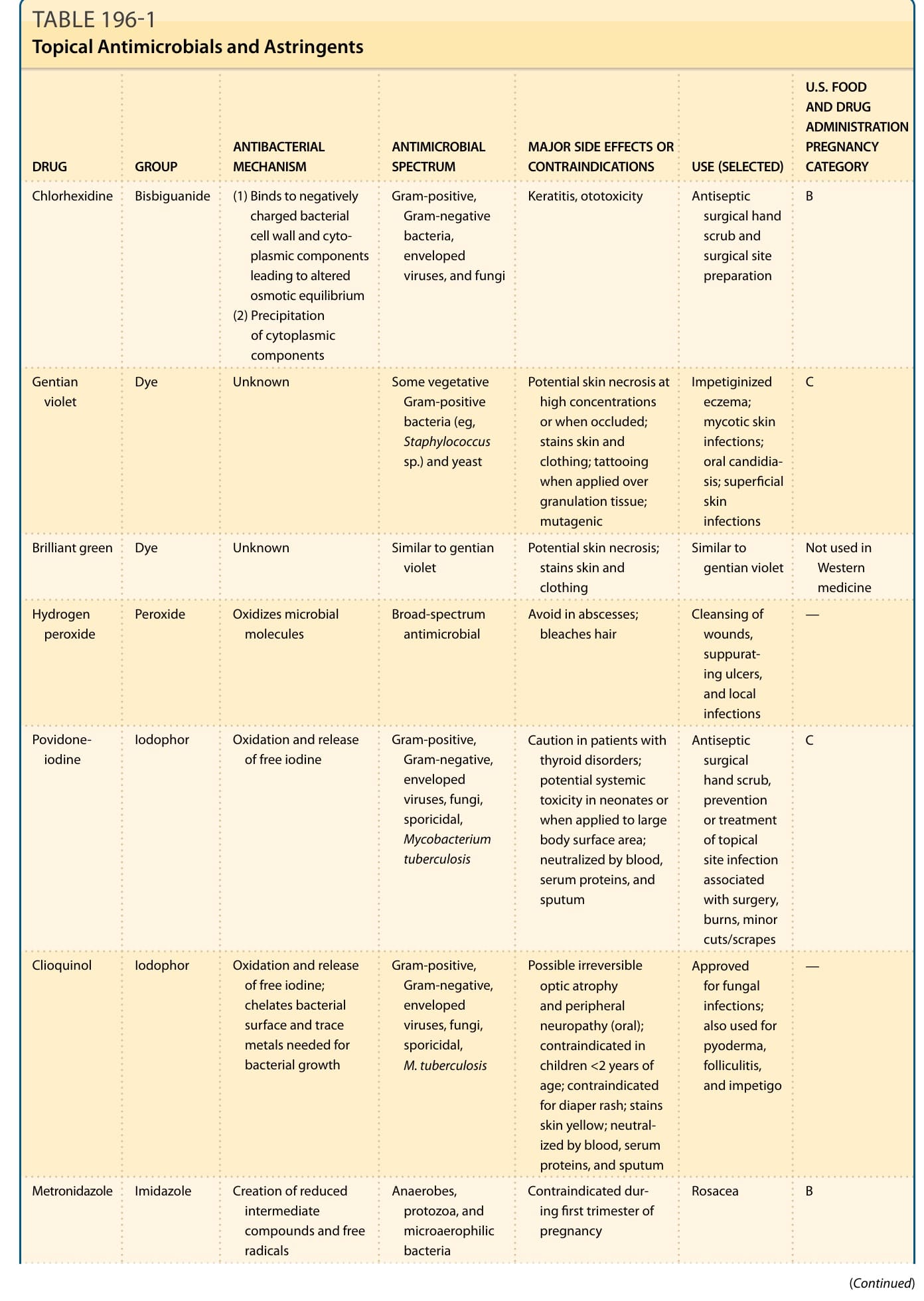
Table 196-1 outlines the topical antimicrobials and astringents discussed in this section of the chapter.
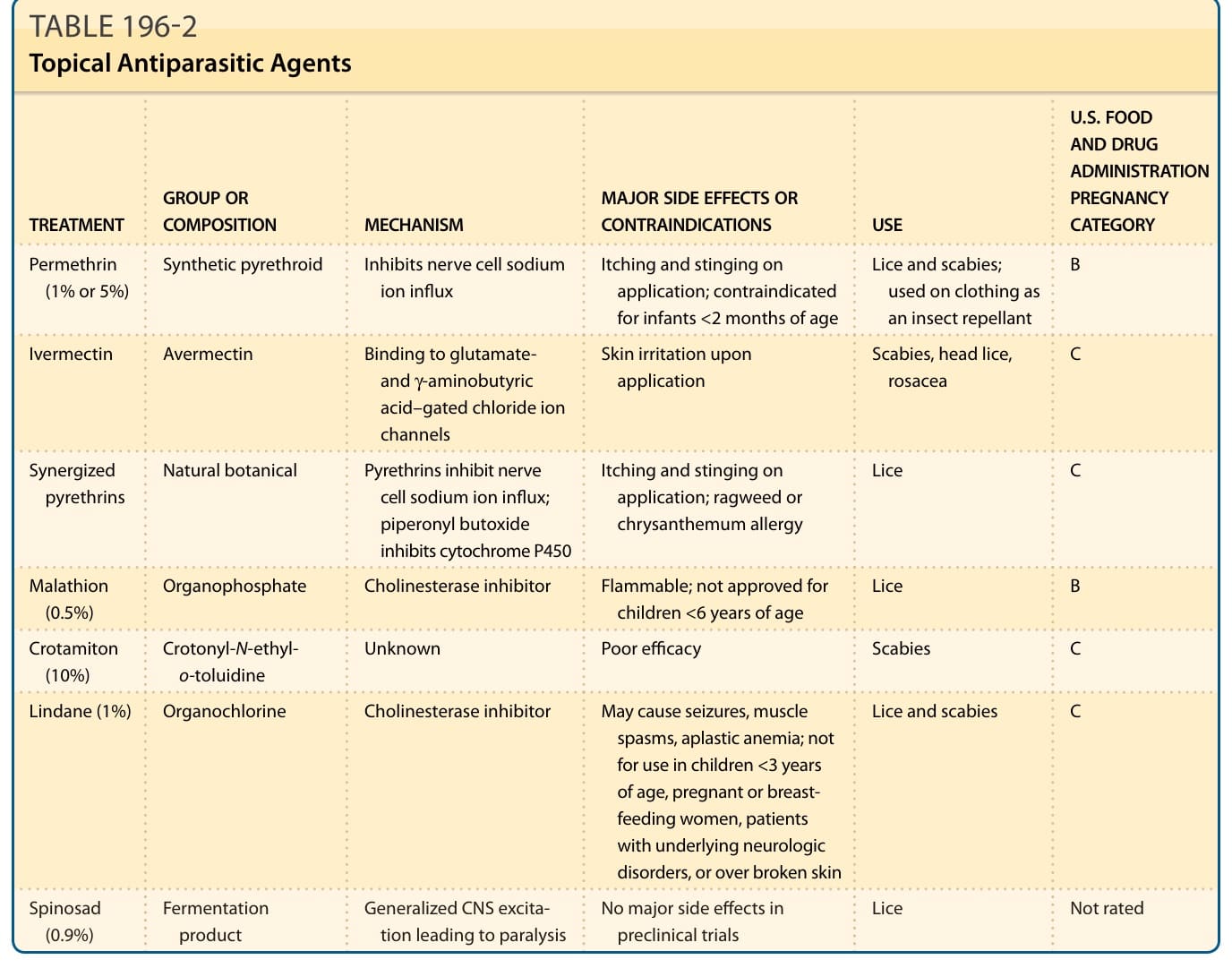
Table 196-2 outlines the topical antiparasitic agents discussed in this section. Chapter 178 provides detailed discussions of scabies, other mites, and pediculosis.
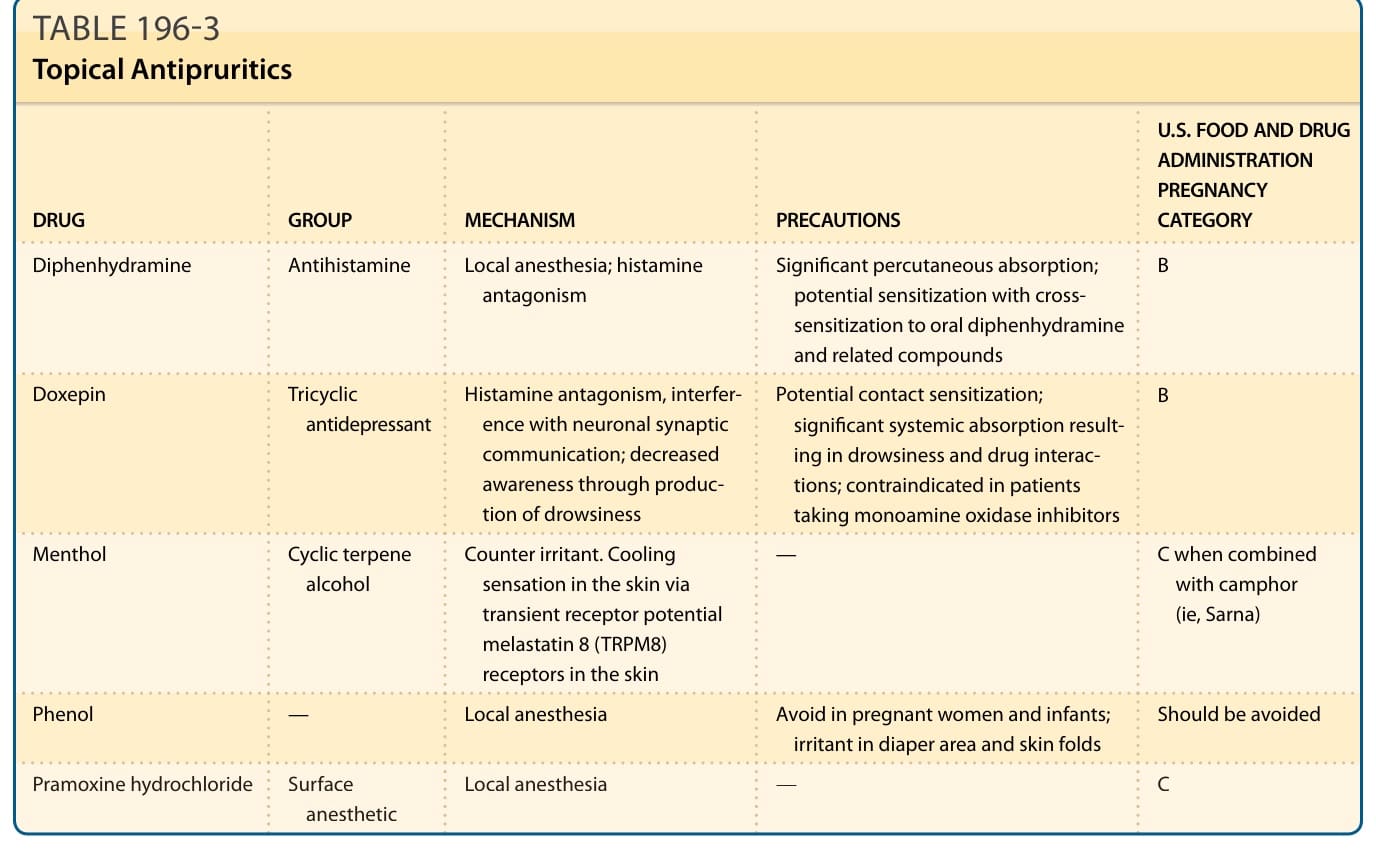
Table 196-3 outlines the topical antipruritics discussed in this section.
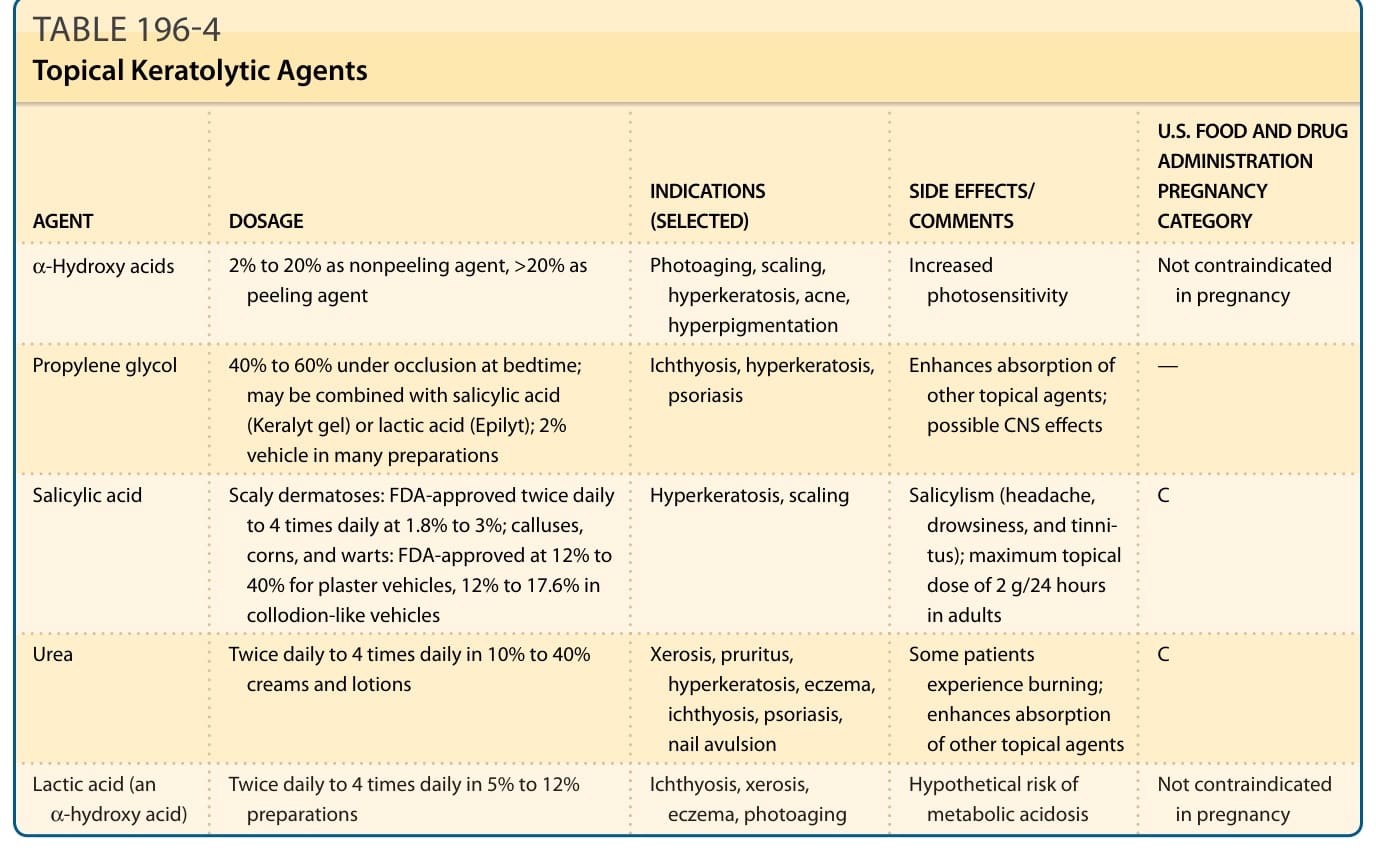
Table 196-4 outlines the topical keratolytic agents discussed in this section. Keratolytics are agents that cause keratolysis, or peeling, of the epidermis. At low concentrations, most keratolytics act as humectants, or moisturizing agents, and can be used to soften keratin.